

Choosing the best material for a saucepan has a direct impact on cooking performance, heat distribution, durability, and overall ease of use. Because Sauce Pans are used for simmering soups, heating liquids, cooking grains, preparing sauces, and melting ingredients, the material must offer stable temperature control and reliable strength. The cookware industry offers several materials, each with unique benefits: stainless steel, aluminum, non-stick coatings, cast iron, copper, and hybrid multi-layer constructions. The ideal choice depends on how the saucepan will be used and what cooking style it needs to support. For home cooks and commercial kitchens alike, well-constructed products—such as those in the Vanky Sauce Pans collection—combine balanced material engineering with modern performance to achieve consistent results.
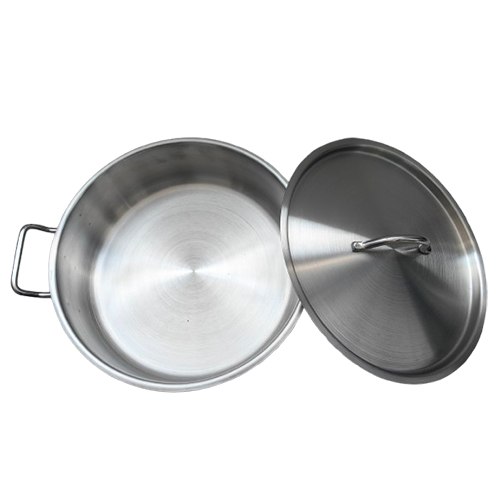
1. Stainless Steel: A Reliable and Versatile Option
Stainless steel is one of the most popular materials for Sauce Pans because of its strength, durability, and resistance to corrosion. It does not react with acidic or alkaline foods, making it ideal for tomato sauces, citrus blends, and vinegar-based recipes. Stainless steel Sauce Pans maintain a clean, polished appearance even after years of use, and the material withstands high heat without warping.
However, stainless steel on its own is not a strong heat conductor. Manufacturers often combine it with an aluminum or copper core to enhance heat distribution. This multi-layer construction brings together the resilience of stainless steel and the thermal conductivity of softer metals.
High-quality multi-ply stainless steel Sauce Pans—similar to those offered within the Vanky Sauce Pans range—deliver even heating, long service life, and premium kitchen performance suitable for both slow simmering and rapid boiling.
2. Aluminum and Hard-Anodized Aluminum: Lightweight with Excellent Conductivity
Aluminum is widely used for Sauce Pans thanks to its outstanding heat conductivity. It heats quickly, responds immediately to temperature adjustments, and ensures the saucepan warms evenly across the entire surface. This helps prevent hot spots and supports precise simmering, which is critical for delicate sauces and custards.
Raw aluminum can react with acidic foods, but modern cookware solves this through:
- Anodizing: Strengthens the surface and prevents reactions.
- Non-stick coatings: Adds convenience and reduces sticking.
- Cladding with stainless steel: Combines conductivity with durability.
Hard-anodized aluminum in particular provides scratch resistance and maintains consistent thermal performance. These attributes make it a favorite material for daily-use cookware.
Many designs within the Vanky Sauce Pans lineup incorporate advanced aluminum structures, delivering lightweight comfort while maintaining cooking precision.
3. Copper Sauce Pans: Premium Heat Control for Professional Results
Copper is considered the superior material for thermal responsiveness. Professional chefs often use copper Sauce Pans because they offer unmatched control over temperature, ensuring sauces and reductions maintain perfect consistency. Copper heats faster than stainless steel and cools immediately when removed from the heat source.
However, copper requires more maintenance to retain its appearance, and it reacts with certain foods unless lined with stainless steel or tin. Its high cost also makes it less common in standard home kitchens, though it remains prized for high-end culinary applications.
Copper-lined or copper-core constructions combine this exceptional heat control with durability. While Vanky focuses on broader consumer needs, many concepts in the Vanky Sauce Pans series utilize similar principles through heat-responsive multi-layer engineering to deliver effective temperature control.
4. Non-Stick Materials: Convenience and Easy Cleanup
Non-stick Sauce Pans appeal to cooks who prioritize convenience, quick cleanup, and low-fat cooking. The non-stick coating prevents food from adhering to the surface, reducing the need for heavy scrubbing and allowing for effortless cooking of delicate items such as milk-based sauces, oatmeal, and melted chocolate.
Non-stick materials include ceramic coatings, PTFE coatings, and hybrid reinforced finishes. Each offers different levels of durability and heat tolerance. While non-stick Sauce Pans typically cannot withstand extremely high temperatures, they are ideal for everyday household use.
Modern non-stick surfaces paired with aluminum bases create a combination of lightweight construction and simple maintenance. For customers seeking a reliable, easy-to-use option, the Vanky Sauce Pans selection includes non-stick models that perform well for daily cooking tasks without requiring intensive upkeep.
5. Cast Iron: Exceptional Heat Retention for Slow Cooking
Cast iron is known for its heat retention and durability. Although it heats more slowly than aluminum or copper, once hot, it maintains temperature for long periods. This quality makes cast-iron Sauce Pans suitable for slow-simmer recipes, stews, and dishes requiring deep flavors.
Enameled cast iron eliminates the need for seasoning and prevents the metal from reacting with food. These Sauce Pans are durable, long-lasting, and suitable for both stovetop and oven use. However, cast-iron cookware is heavier than other materials and may not be ideal for cooks who prefer lightweight tools.
While cast iron is not typically the primary material for standard Sauce Pans in the Vanky product range, the heat-retention principles inform how multi-layer saucepan bases are designed within Vanky Sauce Pans to deliver balanced and steady heating.
6. Choosing the Best Material for Your Cooking Needs
Selecting the best material for a saucepan depends on the type of cooking you do most frequently. Some users need fast responsiveness for sauces that require delicate control. Others prefer a material that resists discoloration, lasts for years, or offers low-maintenance convenience.
Below is a simplified guide:
| Cooking Need | Best Material Choice | Reason |
|---|---|---|
| Everyday boiling, reheating | Stainless steel or aluminum | Balanced performance and durability |
| Precision sauce making | Copper or multi-ply stainless steel | Superior heat control |
| Low-fat and easy cleanup | Non-stick aluminum | Minimal sticking and quick washing |
| Slow-simmer dishes | Cast iron | Outstanding heat retention |
| High durability and long life | Stainless steel | Resistant to wear and corrosion |
Because different homes and kitchens require different solutions, the Vanky Sauce Pans series includes multiple material options tailored to varied cooking styles. Whether a user prioritizes responsiveness, convenience, or durability, well-engineered material construction ensures stable cooking results.
Summary
The best material for Sauce Pans depends on how they are used. Stainless steel provides stability and long-term durability, aluminum offers excellent heat conduction, copper delivers top-tier heat control, non-stick surfaces simplify daily cooking, and cast iron excels at slow simmering. Modern cookware often blends these properties through multi-layer designs. With Vanky’s commitment to material quality and thoughtful construction, the Vanky Sauce Pans collection offers versatile, performance-driven solutions that support home cooks and professional kitchens alike.