

A sauce pot is a small-to-medium cooking pot designed for controlled heating, steady stirring, and clean pouring. It is commonly used for tasks where temperature control matters, such as simmering sauces, heating milk, cooking grains, warming soup portions, or preparing reductions that can scorch if the heat is uneven. Compared with a stock pot or Dutch oven, a sauce pot is typically narrower, easier to handle with one hand, and built to keep liquids moving smoothly during stirring.
Vanky sauce pots are built for everyday kitchen efficiency, combining balanced heating, practical capacity choices, and durable construction that supports repeated use in home kitchens and foodservice prep.
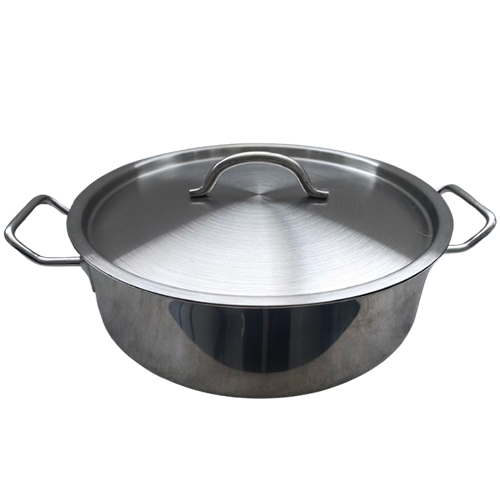
What makes a sauce pot different from other pots
A sauce pot is not only smaller, it is shaped and built for specific cooking behavior.
-
Sidewall height and liquid control
A sauce pot’s taller sides reduce splashing when whisking or simmering. This matters for sauces that need frequent stirring and for liquids that foam, such as milk, cream, or starchy water. -
Heat response and simmer stability
Sauce work often needs gentle, stable heat. A well-designed sauce pot helps you avoid hot spots, keeping a low simmer without burning the bottom. -
Handling and pouring
Many sauce pot tasks involve moving the pot from stove to counter, then pouring into a bowl or storage container. A comfortable handle and controlled pour make the workflow faster and safer.
What you can cook in a sauce pot
A sauce pot is used whenever you need precise control over liquid-based cooking. Typical tasks include:
-
Reductions and pan sauces
Reducing liquid concentrates flavor and thickens texture. A sauce pot keeps the liquid depth consistent, which supports predictable evaporation and easier whisking. -
Heating and frothing milk
Milk requires gentle heat to avoid scorching and to keep texture smooth. A sauce pot supports steady stirring and controlled temperature rise. -
Grains and small-batch boiling
Rice, oats, quinoa, couscous, noodles, and blanching vegetables often require moderate water volume rather than a large stock pot. A sauce pot reduces energy waste and shortens heat-up time. -
Warming soups, broths, and leftovers
A sauce pot is ideal for reheating portions without using a wide pan that increases evaporation and can cause uneven heating.
How to choose the right sauce pot size
Size selection is the most important decision because it affects boil control, stirring space, and the ability to reduce without overflow. A useful rule is to keep the pot filled to about 60 to 70 percent for simmering liquids so foam and bubbles do not spill over.
Practical size guidance
-
1 to 1.5 quart
Best for single servings, butter melting, small sauces, reheating a portion of soup, or warming milk for one drink. -
2 to 3 quart
Good all-purpose size for sauces, grains for 2 to 4 people, ramen or pasta portions, and small-batch soup. -
4 quart
Better for meal prep, family portions, multiple servings of soup, boiling pasta for 3 to 5 people, or batch sauces.
If you regularly cook sauce-based meals, a 2 to 3 quart pot covers most daily tasks, while a 1 to 1.5 quart pot is excellent for quick heating and small portions.
Key features that define a good sauce pot
A sauce pot performs well when it handles heat, motion, and cleaning efficiently.
Bottom design and heat distribution
A stable base helps distribute heat more evenly, reducing the risk of scorching. This is especially important for dairy, sugar-based sauces, and thick reductions.
Wall thickness and temperature control
A pot that holds heat steadily makes simmer control easier. If the pot is too thin, temperature changes too quickly and sauces can break or burn.
Handle comfort and stability
Sauce work often involves one-hand control while stirring with the other. A secure handle and balanced body reduce wrist strain and improve safety when transferring hot liquids.
Lid fit and moisture management
A lid helps you choose between reducing and retaining moisture. A well-fitting lid supports controlled steaming when you want to soften vegetables, heat soup evenly, or keep a sauce from thickening too fast.
Surface and cleaning workflow
Sauce pots should be easy to clean because sauces can contain sugar, starch, or proteins that stick. Smooth interior surfaces support faster cleanup and less scrubbing.
Sauce pot vs saucepan vs stock pot
The terms sauce pot and saucepan are often used interchangeably, but the usage can differ by region and by product line. A stock pot is clearly different because it is much larger and intended for bulk boiling.
| Pot type | Best for | Typical batch size | Main advantage |
|---|---|---|---|
| Sauce pot | Sauces, milk, grains, reheating | Small to medium | Control and stability |
| Saucepan | Similar to sauce pot, often lighter | Small to medium | Quick response |
| Stock pot | Soup base, pasta water, large boiling | Large | Volume capacity |
If your cooking is mostly daily meals and small batches, a sauce pot is usually more efficient than a stock pot because it heats faster and is easier to handle.
How Vanky sauce pots fit daily cooking needs
A sauce pot is only useful if it performs consistently across repeated heat cycles and frequent cleaning. Vanky focuses on practical design that supports everyday results.
-
Reliable daily versatility
A sauce pot should handle multiple tasks without feeling oversized or unstable. Vanky sauce pots are designed for common kitchen workflows such as simmering, warming, boiling small batches, and meal prep. -
Cooking control that reduces mistakes
Stable heating and a shape suited for stirring help prevent scorching and spillover, especially for thick sauces and dairy-based recipes. -
Easy maintenance for repeated use
Sauce pots are used often, so cleaning speed matters. A smooth interior and practical construction support faster cleanup after sauces, starches, or soups.
Explore the product range here: Vanky Sauce Pot
Common questions about sauce pots
Is a sauce pot necessary if I already have frying pans
Frying pans are built for evaporation and surface contact, not controlled simmering. A sauce pot keeps liquids deeper, reduces splashing, and makes whisking and reductions easier.
Can a sauce pot boil pasta
Yes, for small to medium portions. For large batches, a stock pot gives more room and maintains boil strength better.
What is the best heat level for sauces
Most sauces work best at a gentle simmer. High heat increases the risk of scorching, breaking emulsions, or boiling over.
Do I need a lid for a sauce pot
A lid is useful for retaining heat and moisture, speeding up heating, and controlling evaporation. Cooking with the lid partially open is a common way to balance thickening and simmer stability.
Conclusion
A sauce pot is a dedicated pot for controlled heating, steady stirring, and clean pouring, making it ideal for sauces, milk, grains, and small-batch boiling. The right size and stable construction improve simmer control, reduce scorching risk, and make daily cooking more efficient. Vanky sauce pots are built to support these tasks with practical design and reliable performance for everyday kitchens.