

A sauce pot can hold anywhere from about 1 quart to 8 quarts, depending on the size and the intended use. In most kitchens, sauce pots are commonly used in the 1.5-quart to 4-quart range because these capacities match everyday tasks like heating milk, simmering sauces, boiling small batches of pasta, or warming soup.
However, the number printed on a sauce pot is its maximum volume, not the amount you should fill it to during real cooking. For safe simmering and comfortable stirring, most users get the best results when they use 60 to 75 percent of the pot’s labeled capacity. This working capacity keeps foam and bubbling under control and gives you room to whisk without splashing.
Vanky offers sauce pot options that fit both daily cooking and professional prep, so buyers can choose the capacity that matches their typical batch size and workflow.
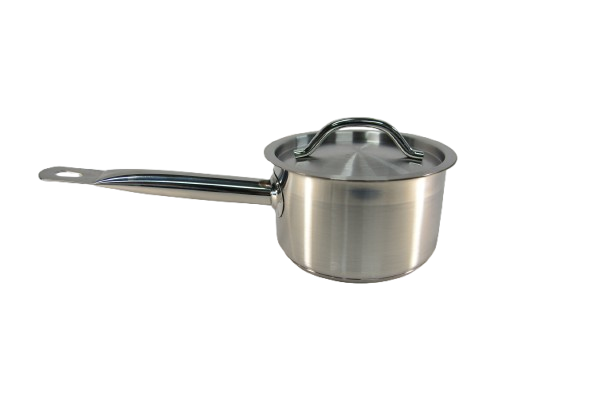
Sauce pot capacity vs working capacity
A sauce pot has two practical capacity numbers.
-
Labeled capacity
This is the maximum volume the pot can hold when filled near the rim. It is useful for comparing sizes across brands and planning storage, but it is not the best target for most cooking tasks. -
Working capacity
This is the amount you can cook with comfortably. It accounts for bubbling, boiling expansion, stirring motion, and added ingredients.
A simple guideline is to plan your working capacity like this:
- Simmering sauces, milk, soup: use about 60 to 70 percent of labeled capacity
- Boiling water or pasta: use about 70 to 80 percent if you want a strong boil without spillover
- Thick sauces or starchy liquids: use about 50 to 65 percent because they can surge and splatter
Common sauce pot sizes and what they hold in real use
Most buyers choose capacity based on servings and the type of cooking they do. The examples below focus on practical working amounts rather than maximum fill.
-
1 to 1.5 quart sauce pot
Best for single-serve heating and small sauce batches. In real use, it comfortably holds enough liquid for a small gravy, a quick reduction, or warming milk for one drink without overflow risk. -
2 quart sauce pot
A flexible daily size. It can handle sauces for a meal, reheating soup portions, and boiling small portions of noodles. It offers enough height for whisking while staying fast to heat. -
3 quart sauce pot
A strong all-purpose choice for households. It can hold a larger sauce batch, cook grains for multiple servings, and warm soup for a small family. Many kitchens treat 3 quarts as the main sauce pot. -
4 quart sauce pot
Better for meal prep and batch cooking. It supports larger soup portions, pasta boiling for several people, and multiple servings of sauce with room to stir. -
6 quart and above
These sizes are used when you want the shape and control of a sauce pot but need more volume. They can work for larger soup batches, catering prep, or cooking for groups.
Quick capacity conversion table
Capacity is often listed in quarts, liters, or sometimes cups. The table below helps buyers understand what a sauce pot size means in daily cooking.
| Labeled capacity | Approx liters | Approx cups |
|---|---|---|
| 1 qt | 0.95 L | 4 cups |
| 1.5 qt | 1.42 L | 6 cups |
| 2 qt | 1.89 L | 8 cups |
| 3 qt | 2.84 L | 12 cups |
| 4 qt | 3.79 L | 16 cups |
| 6 qt | 5.68 L | 24 cups |
| 8 qt | 7.57 L | 32 cups |
For most sauce and milk tasks, users care more about working capacity than maximum conversion, so selecting a slightly larger pot can make cooking easier even when you are not using the full volume.
How to choose the right capacity for your kitchen
The correct capacity depends on how you cook, not only on how many people you serve.
Match the pot to your most frequent task
If you most often heat milk, make small sauces, or reheat leftovers, smaller sizes are faster and easier to handle. If you often cook soup, pasta, or meal-prep sauces, a larger size prevents spillovers and saves time.
Leave enough headroom for stirring
Sauces frequently require whisking. Headroom reduces splashing and helps you mix evenly. If you often whisk thick sauces, choose the next size up so you can stir aggressively without mess.
Consider boil behavior
Water boils calmly, but milk, starch, and sugar foam quickly. If you regularly boil milk or cook starchy liquids, avoid filling close to the rim and choose a capacity that gives a larger safety margin.
Think about storage and burner fit
A sauce pot should sit stable on your most-used burner and store easily in your cabinet. A slightly larger capacity is helpful only if the pot still fits your kitchen workflow.
Typical capacity recommendations by use case
These are practical starting points for choosing capacity:
-
Single servings and quick heating
1 to 2 quart is usually enough for small batches, fast warm-ups, and minimal storage space. -
Daily family cooking
2 to 4 quart covers most sauces, grains, and soup portions while staying easy to handle. -
Meal prep and entertaining
4 to 6 quart gives more room for batch sauces, boiling, and larger soup quantities without boilovers. -
Commercial prep or catering
6 quarts and above can reduce the number of batches and support higher-volume operations.
Why capacity consistency matters for sourcing
For procurement and repeat orders, capacity should not vary across production batches. Buyers need consistent volume, consistent dimensions, and predictable performance so recipes, portioning, and storage remain stable.
Vanky supports sauce pot selection across different sizes so buyers can standardize cookware sets for retail assortments, foodservice supply, or project-based purchasing.
Explore the options here: Vanky Sauce Pot
Practical checks to confirm a sauce pot’s real capacity
If you are evaluating a sauce pot for purchase, these simple checks help confirm that the pot will meet your needs.
-
Check the labeled capacity and compare to your typical batch size
If your sauce usually fills 2 quarts, a 3-quart pot gives safer working room. -
Check interior depth
Taller sidewalls often handle whisking and simmering better, even at the same labeled capacity. -
Plan for working fill line
If you expect vigorous boiling or foaming, choose a pot that allows you to stop at 60 to 70 percent fill while still meeting your target volume.
Conclusion
A sauce pot can hold a wide range of volumes, but the practical amount you should cook with is usually 60 to 75 percent of its labeled capacity. Common sauce pot sizes range from 1 to 4 quarts for daily cooking, while 6 quarts and above are used for larger batches and higher-volume prep. Choosing the right capacity gives better simmer control, safer boiling, and easier stirring. Vanky offers sauce pot options across multiple capacities so buyers can select the size that matches real cooking needs and standardize purchases with confidence.